

Before depositing with any forex broker, check four things: regulation by a credible authority, a clean record on withdrawals, transparent costs such as spreads and commissions, and no pressure tactics or too-good-to-be-true bonuses. A broker holds your money. The biggest red flags are anything that makes getting it back, or knowing your true costs, harder than it should be.
Red flag 1: weak or no regulation
The single most important check is regulation. A credible broker is authorised by a recognised financial regulator. You can verify that registration directly on the regulator's own website, so do not just take the broker's word for it.
Be wary of brokers regulated only in obscure, light-touch jurisdictions, or not regulated at all. Regulation is not a guarantee of good behaviour. Its absence removes your main protection if something goes wrong. If you are in Singapore, see how to trade forex from Singapore.
Red flag 2: withdrawal problems
The clearest sign of a bad broker is difficulty getting your money out. Look for a documented pattern of withdrawal delays, sudden extra verification demands when you try to withdraw, or frozen accounts. A broker that makes deposits easy and withdrawals hard is the classic warning sign.
Independent reviews and forums can reveal withdrawal problems. Weigh them carefully, because both fake praise and unfair complaints exist.
Red flag 3: opaque or unusual costs
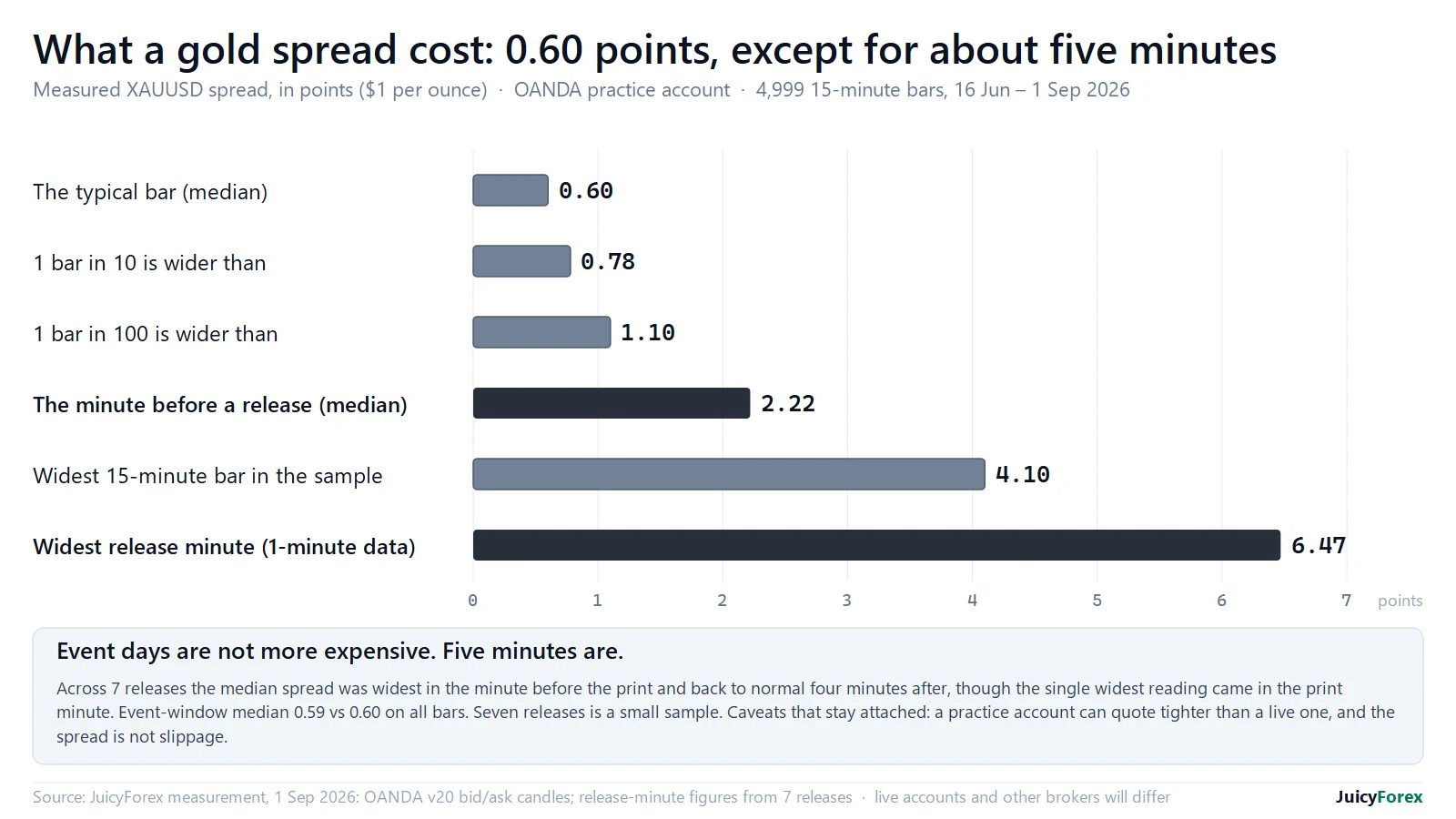
You should be able to see your true costs clearly. That means the spread, any commission, overnight financing, and how they change around news.
Red flags include suspiciously wide spreads, hidden fees that only appear later, and requotes or slippage that always seem to work against you. If you cannot easily work out what a trade costs you, that opacity is itself a warning.
Red flag 4: bonuses and pressure
Be deeply sceptical of large deposit bonuses and of any promise of guaranteed or unusually high returns. Legitimate brokers do not need them, and the terms often trap your funds.
Treat pressure tactics as a red flag too. A manager urging you to deposit more, trade bigger or act now is not acting in your interest. A trustworthy broker lets you take your time and read the terms. A predatory one manufactures urgency.
The pre-deposit checklist
- Verify regulation on the regulator's site.
- Research the withdrawal record.
- Confirm you understand every cost.
- Walk away from bonuses, pressure and guaranteed-return talk.
See our full guide to choosing a broker. None of this guarantees a good experience, but it filters out the worst. Your broker holds your money, so treat that decision with the seriousness it deserves. This is education, not advice.
Questions
What is the most important thing to check in a forex broker?
Regulation by a credible authority, verified on the regulator's own website. It is not a guarantee of good behaviour, but its absence removes your main protection.
What are the biggest forex broker red flags?
Weak or no regulation, difficulty withdrawing money, opaque costs, large deposit bonuses with trapping terms, and pressure tactics. Anything that makes getting your money back harder is a warning.
How do I know if a broker will let me withdraw?
Research its withdrawal record through independent reviews and forums, weighing them carefully. A pattern of delays, sudden verification demands or frozen accounts is the clearest sign of a bad broker.
Are deposit bonuses a bad sign?
Large bonuses and guaranteed-return promises are a red flag. Legitimate brokers do not need them, and the terms often trap your funds. Read the conditions before accepting anything.
70–80% of retail investor accounts lose money trading CFDs. This page is education, not advice. All trade examples are constructed composites.