

Choose a broker on regulation first, cost second. A licence from a top-tier regulator, such as the FCA (UK), ASIC (Australia) or MAS (Singapore), with client funds kept segregated from the firm's own, is the baseline. After that, compare all-in costs, execution and how easily withdrawals work. Treat unregulated offshore brokers offering huge leverage as a red flag, not a bargain.
Regulation comes first
Everything else is irrelevant if the broker can lose or withhold your money. Confirm the broker is authorised by a top-tier regulator, and verify the licence on the regulator's own website, not just in the broker's marketing. Our guide to MAS-regulated brokers shows how.
Strong regulation brings real protections: segregated client funds, which means your money is held separately from the firm's, plus capital requirements and dispute processes. A tier-1 licence is the best filter you have.
The real costs
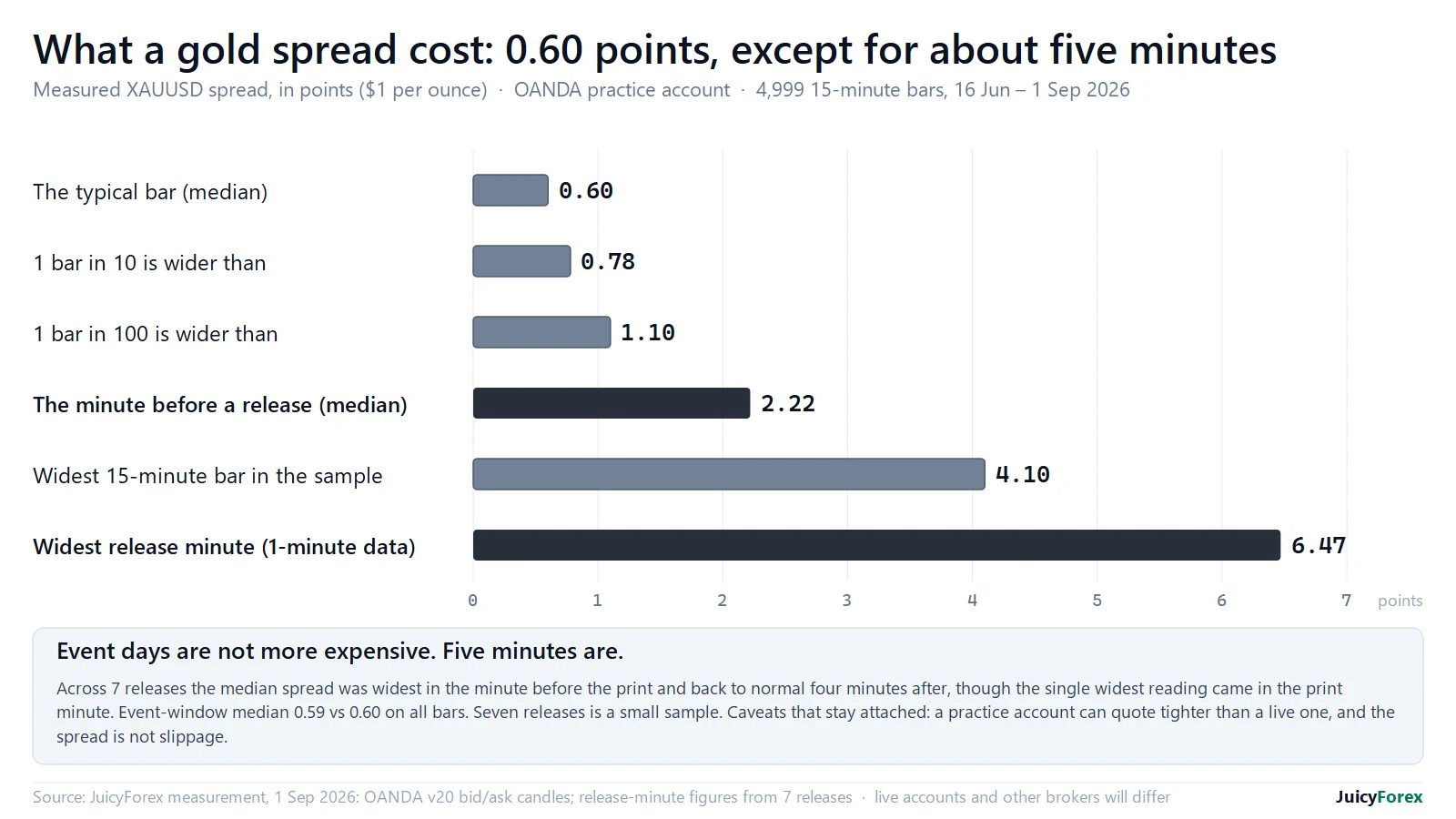
Once regulation checks out, compare the all-in cost: the spread plus any commission. A raw-spread account with commission can be cheaper than a wide zero-commission spread. Do the arithmetic on the pairs you will actually trade, not the headline EUR/USD number.
Watch for the quieter costs too: overnight swap charges, inactivity fees and withdrawal fees. A slightly wider spread from a solid broker beats a tight one you cannot trust.
Execution and withdrawals
Good execution means your orders fill near the price you expect, without excessive slippage or frequent requotes. Reviews and a funded test with small size tell you more than any advertised figure.
Test the withdrawal process early, with a small amount. A broker that makes deposits instant and withdrawals slow or difficult is telling you something important. Getting your money out on demand is the whole point.
Platform and leverage
The platform should be stable and usable. Most brokers offer MetaTrader or a proprietary app. Charting tools and a demo account are nice to have, but never let a slick platform distract from regulation and cost.
Be wary of brokers leading with enormous leverage, 1:500 and up. As the leverage guide explains, that usually signals a lighter-touch regulator. It is also a maximum you should never approach.
Red flags that end the conversation
- No verifiable tier-1 regulation, or a licence you cannot confirm on the regulator's site.
- Bonuses with trading conditions that lock up your deposit, or pressure to fund quickly.
- Withdrawal problems in credible reviews. This is the most reliable warning of all.
- Guaranteed profits or account-management offers, which reputable brokers never make.
When in doubt, choose the more boring, better-regulated broker. See our guide to forex scams.
Questions
What is the most important thing when choosing a broker?
Regulation. A licence from a top-tier regulator such as the FCA, ASIC or MAS, with segregated client funds, is the baseline. Nothing else matters if you cannot reliably get your money back.
How do I check if a broker is regulated?
Find the licence number on the broker's site and verify it directly on the regulator's own website. Do not rely on the broker's marketing alone.
What are segregated client funds?
The broker holds your money in accounts separate from its own operating funds, so your capital is protected if the firm runs into trouble. It is a standard protection at well-regulated brokers.
Is high leverage from a broker a good thing?
No. Very high leverage usually signals a lightly regulated broker. Prioritise regulation and cost over headline leverage.
70–80% of retail investor accounts lose money trading CFDs. This page is education, not advice. All trade examples are constructed composites.