

An order is an instruction to your broker. A market order fills immediately at the current price. A limit order waits for a better price: buy below the market, sell above it. A stop order triggers at a worse price, and is used for breakouts and for your stop-loss. Every trade you open should already have a stop-loss attached.
Market orders
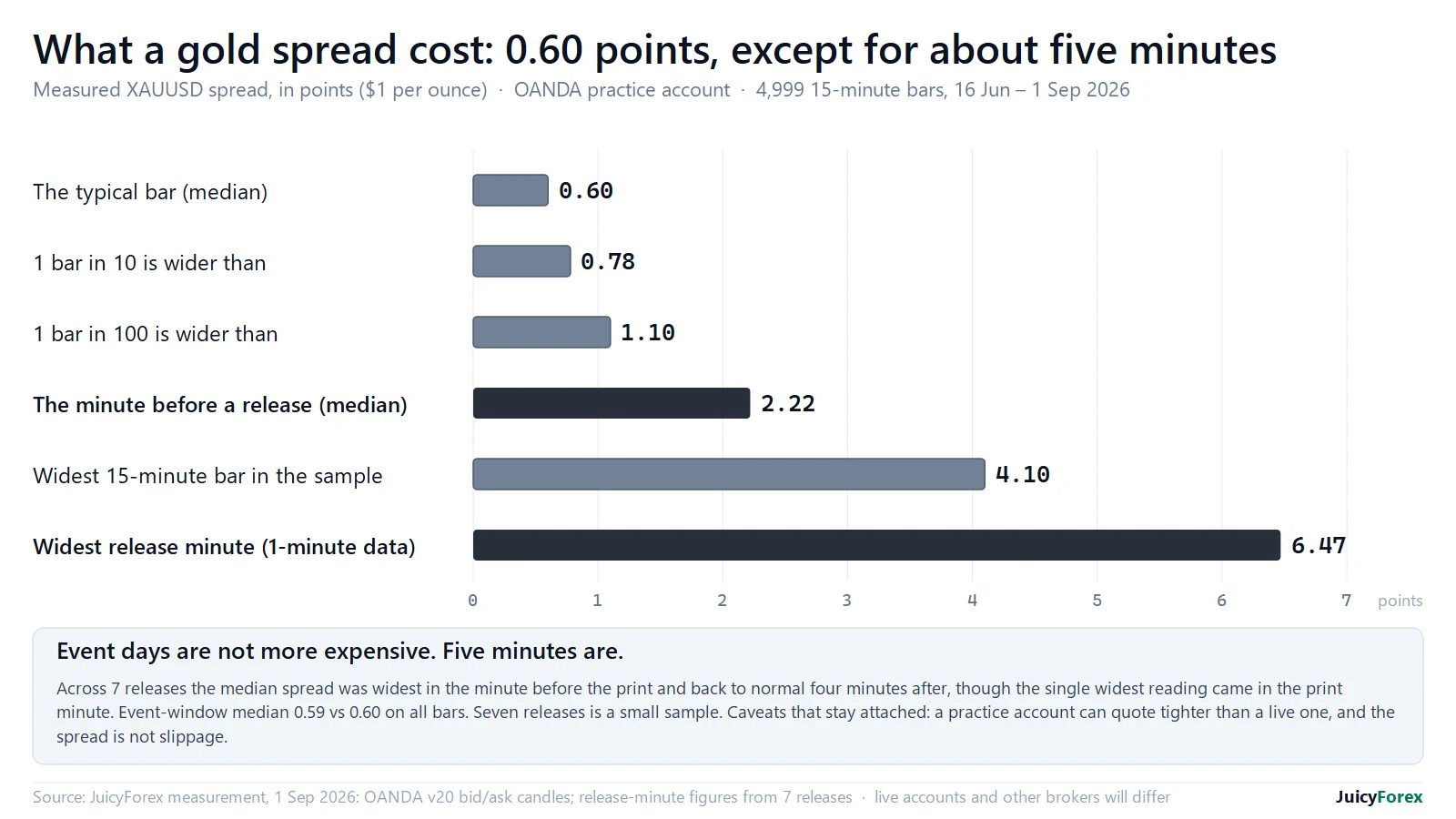
A market order says "fill me now, at whatever the current price is." It prioritises certainty of execution over price. You will pay the spread and, in fast markets, possibly a little slippage.
Use a market order when getting in or out now matters more than getting a specific price. An example is exiting a trade that has invalidated your idea. Do not use one to chase a price you have already missed.
Limit orders
A limit order waits for a better price than the current one. A buy limit sits below the market. A sell limit sits above it. It only fills at your price or better, so you never pay worse than intended. It may never fill if price does not reach it.
Limits suit patient, level-based entries. You decide the price you want and let the market come to you rather than chasing it.
Stop orders
A stop order is the mirror image. It triggers at a worse price than the current one. A buy stop sits above the market and a sell stop sits below. Once price touches the level, the stop becomes a market order and fills.
There are two common uses:
- Breakout entry. Place a buy stop above resistance, so you only get in if price breaks out.
- Stop-loss. This is the most important use, and it protects your account.
Stop-limit orders
A stop-limit combines the two. When the stop price is hit, it places a limit order rather than a market order. You gain price control, because it will not fill worse than your limit. You risk no fill at all if price gaps straight through.
For a beginner this adds complexity. A plain stop is usually the safer default. In the one moment you most need to be filled, a fast move against you, a stop-limit can leave you in the trade.
Stop-loss and take-profit
These two orders turn a trade into a plan. A stop-loss is a stop order that closes your position at your maximum acceptable loss. A take-profit is a limit order that closes it at your target. Set both when you open the trade, not later.
The stop-loss is what makes position sizing possible. The distance to your stop, in pips, is exactly what you size against. A trade without a predefined stop is not a trade. It is an open-ended bet.
Which order should you use?
Keep it simple. Use a market order to exit, or to enter when timing beats price. Use a limit to enter patiently at a level. Use a stop to catch a breakout and, always, to hold your stop-loss.
You do not need exotic order types to trade well. New to trading? Start with the beginner's guide.
Questions
What is the difference between a market order and a limit order?
A market order fills immediately at the current price. A limit order fills only at your price or better, so it may not fill at all.
What is the difference between a stop and a stop-limit order?
A stop becomes a market order when triggered, so it prioritises getting filled. A stop-limit becomes a limit order, so it controls price but may not fill if price gaps past your limit.
Which order type should a beginner use?
Market orders to exit or when timing matters, limits for patient entries, and stops for breakouts and stop-losses. Always attach a stop-loss.
70–80% of retail investor accounts lose money trading CFDs. This page is education, not advice. All trade examples are constructed composites.