

There is no single best trading strategy — only the approach that fits your edge, your risk tolerance and your temperament. The main choices are your timeframe (scalping, day or swing trading) and your method (trend following, breakouts, range trading, or the macro carry trade). No strategy is a holy grail; each works in some conditions and fails in others.
There is no holy grail
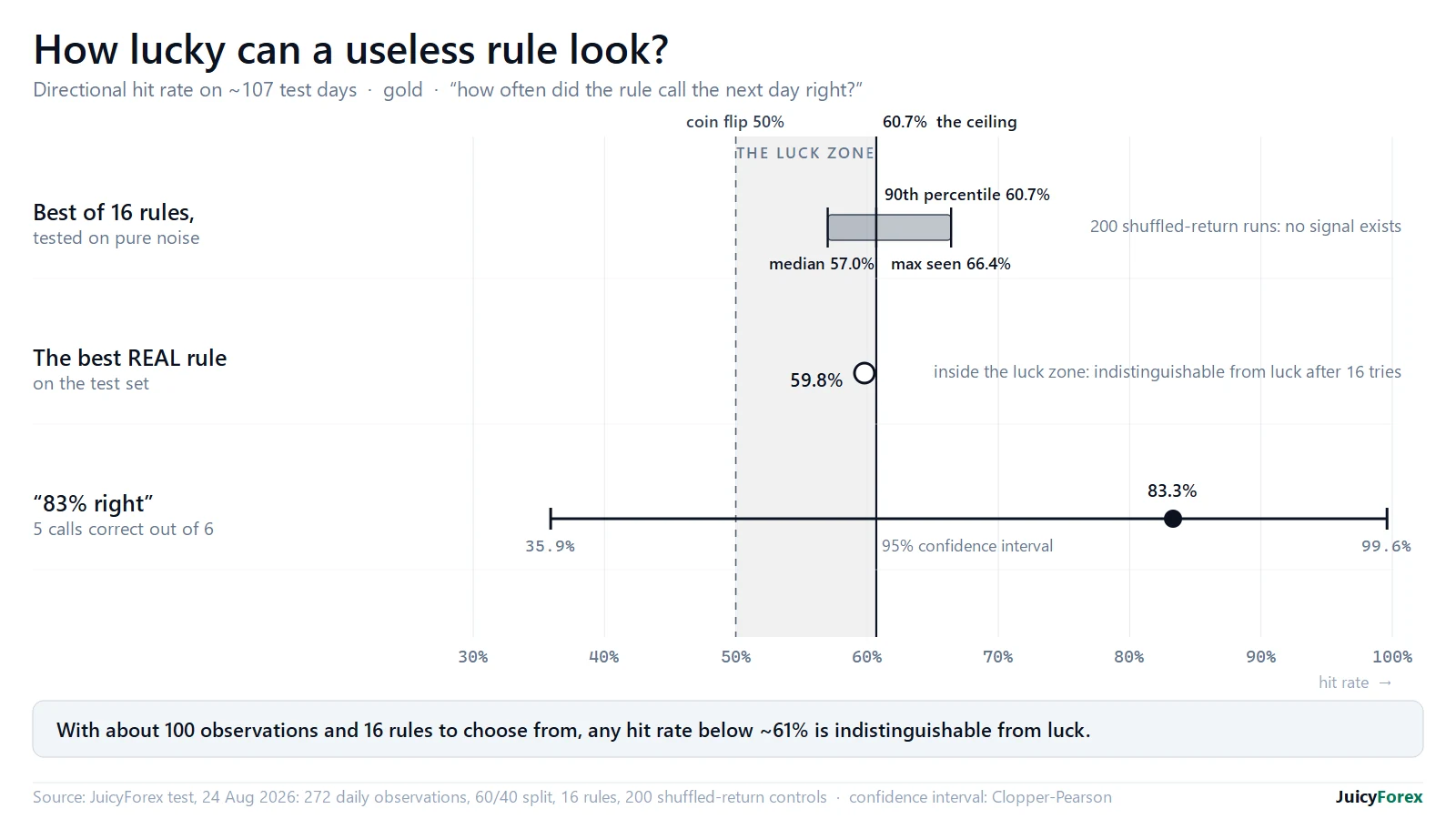
Let us start with the honest truth the hype ignores: no strategy wins all the time. Every approach works in some market conditions and fails in others, and none is a shortcut to guaranteed profit. A strategy is only as good as the edge behind it and the risk management around it.
The goal is not to find a magic system; it is to find an approach that fits you and that you can execute consistently.
Choosing a timeframe: scalping, day, swing
Your first choice is timeframe. Scalping means many tiny trades held seconds to minutes; day trading means intraday positions closed by the session's end; swing trading means holding for days to weeks. Each demands a different temperament, cost profile and time commitment. Compare them in scalping vs day vs swing trading.
Trend following
Trend following means trading in the direction of the prevailing move — buying strength in an uptrend, selling weakness in a downtrend. It profits from sustained moves but suffers in choppy, range-bound markets. See trend following.
Breakout trading
Breakout trading enters when price breaks out of a range or level, aiming to catch the start of a new move. Its enemy is the false breakout. See breakout trading.
Range trading
Range trading is the opposite instinct: buying support and selling resistance while a market moves sideways. It profits in ranges and is dangerous when a trend breaks out. See range trading.
The carry trade
The carry trade is a longer-term, macro strategy: earning the interest-rate difference between two currencies. It can pay steadily for months, then unwind violently in risk-off. See the carry trade explained.
Fit and risk come first
Whatever approach you choose, it only works wrapped in risk management and proven over a large sample. Match the strategy to your temperament and schedule, prove it has an edge, and size every trade so no losing streak can ruin you. This is education, not advice.
70–80% of retail investor accounts lose money trading CFDs. This page is education, not advice. All trade examples are constructed composites.