

A MAS-regulated broker holds a Capital Markets Services (CMS) licence from the Monetary Authority of Singapore. For forex, that covers dealing in spot FX contracts for leveraged foreign exchange trading under the Securities and Futures Act. The licence is a fact on a public register, not a badge a firm can award itself. You can check it yourself.
What the CMS licence is
MAS licenses activities, not reputations. A CMS licence authorises a firm to carry on specified regulated activities. For a forex broker the relevant one is dealing in capital markets products, namely spot foreign exchange contracts for leveraged foreign exchange trading.
Holding it means the firm met MAS's admission criteria and is subject to ongoing conduct requirements and supervision. Banks, merchant banks and certain other financial institutions sit under a different part of the framework, so no CMS licence does not automatically mean unregulated if you deal with a bank.
What it does not mean
This is where marketing exploits ambiguity. A CMS licence does not mean:
- Your losses are protected. They are not. Trading losses are yours.
- MAS endorses the firm. Licensing is not a recommendation, and firms may not present it as one.
- Every entity under the brand is licensed. This is the big one.
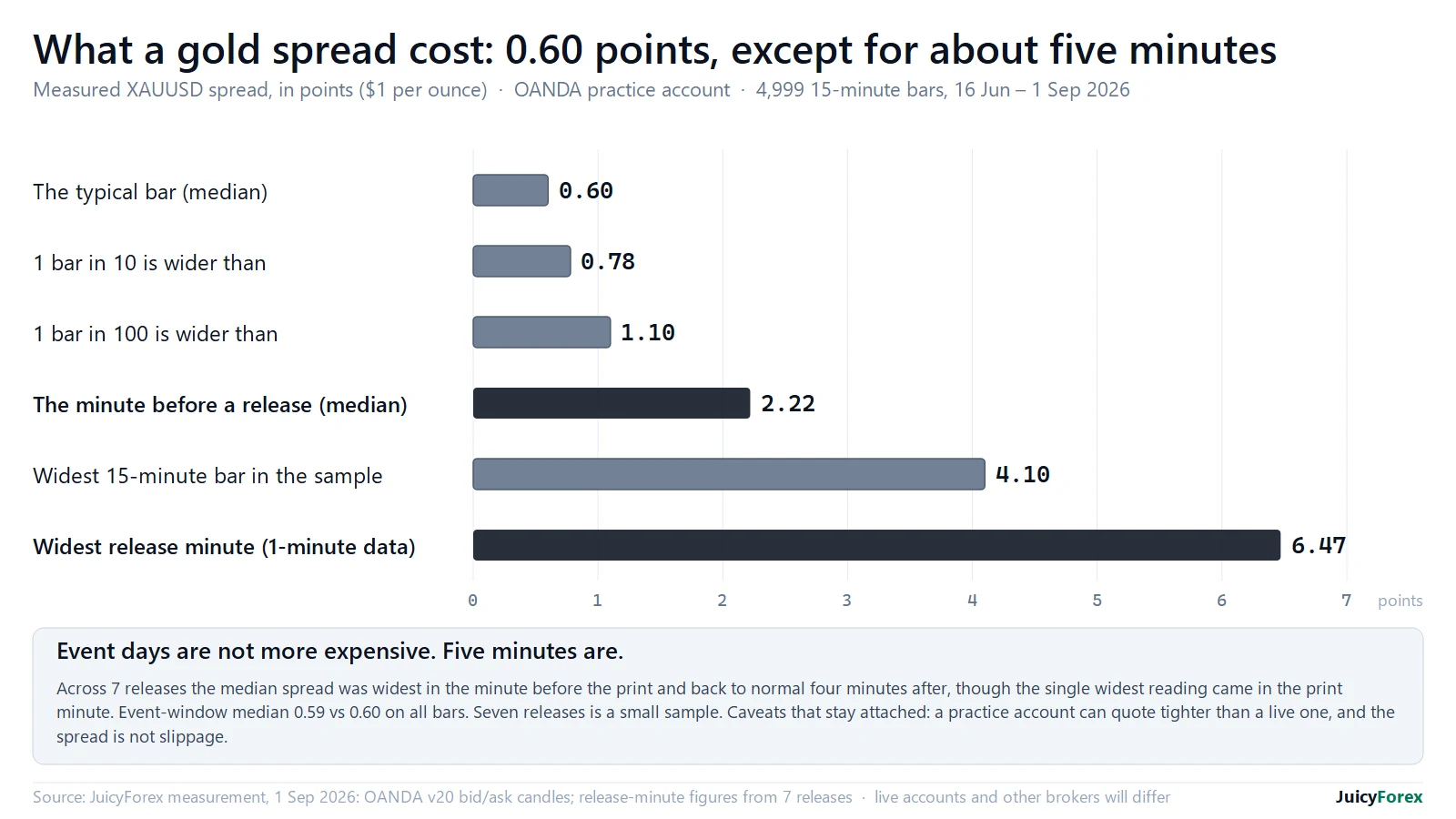
- The pricing is fair. Spreads, swaps and conversion costs are commercial terms. Compare them using the spread.
The offshore-entity trap
This pattern costs Singapore traders the most money. A global brand holds a Singapore licence through, say, Brand (Singapore) Pte Ltd. The website says regulated by MAS, which is true of that entity. But during signup you may be onboarded to Brand Ltd, registered somewhere with lighter regulation, higher advertised leverage and materially weaker protections.
Nothing in the interface tells you. The only reliable signal is the legal entity named in your client agreement. Read it before you fund. If that entity is not the one on the MAS register, the licence is not protecting your account.
How to check the register
- Find the entity name. Use the site footer, legal page or client agreement. You want the full legal name, not the brand.
- Search MAS's Financial Institutions Directory. It is MAS's free, public, searchable register. Check that the licensed activity matches what you are being sold.
- Cross-check the Investor Alert List. MAS lists entities that may be wrongly perceived as licensed. A listing is a hard stop.
- Keep the ordinary discipline. A licence does not exempt a firm from the tests in how to choose a broker, and it will not stop you losing money trading.
Why we do not rank brokers
The incentive is corrupting. Best broker pages are, with few exceptions, monetised by affiliate commissions paid when you open and fund an account. The ranking then reflects payouts at least as much as merit.
We do not rank or recommend brokers, and we disclose our HFM partnership. We think a method you can apply to any firm beats a ranking that quietly expires. This is education, not advice.
Questions
Does MAS regulation protect me from losing money?
No. It sets conduct, disclosure and margin standards for the firm and gives you a complaints path. Trading losses are not covered. Regulated means supervised, not safe.
Why does the legal entity on my account matter?
A global brand may hold a Singapore licence through one entity while onboarding clients to an offshore entity with weaker protections. Check the entity in your agreement against the register.
70–80% of retail investor accounts lose money trading CFDs. This page is education, not advice. All trade examples are constructed composites.