

The majority of retail traders lose money. Brokers routinely disclose that around 70-80% of retail accounts lose. The reasons are consistent: over-leverage and poor position sizing, no genuine edge, underestimated costs, and psychology. The honest response is not a secret system. It is risk control, a real edge and discipline.
The uncomfortable fact
Regulated brokers are required to disclose the share of their retail clients who lose money. The figure is consistently high, commonly around 70-80%. This is not a secret. It is printed on the brokers' own materials. Any content that hides it is selling you something.
Facing this fact is not discouragement. It is the starting point. You cannot avoid a trap you refuse to look at.
Reason 1: over-leverage and poor sizing
The biggest account-killer is over-leverage and poor position sizing. Leverage lets a small deposit control a large position, which magnifies losses as much as gains. Size too big, and a single normal losing streak, which is inevitable, wipes out the account before any edge can play out. This is the maths of risk of ruin.
Most blown accounts are not blown by bad analysis. They are blown by good analysis on a position that was far too large.
Reason 2: no genuine edge
Many traders never establish whether their method actually makes money over a large sample. Without a positive-expectancy edge, trading is just paying the spread to gamble.
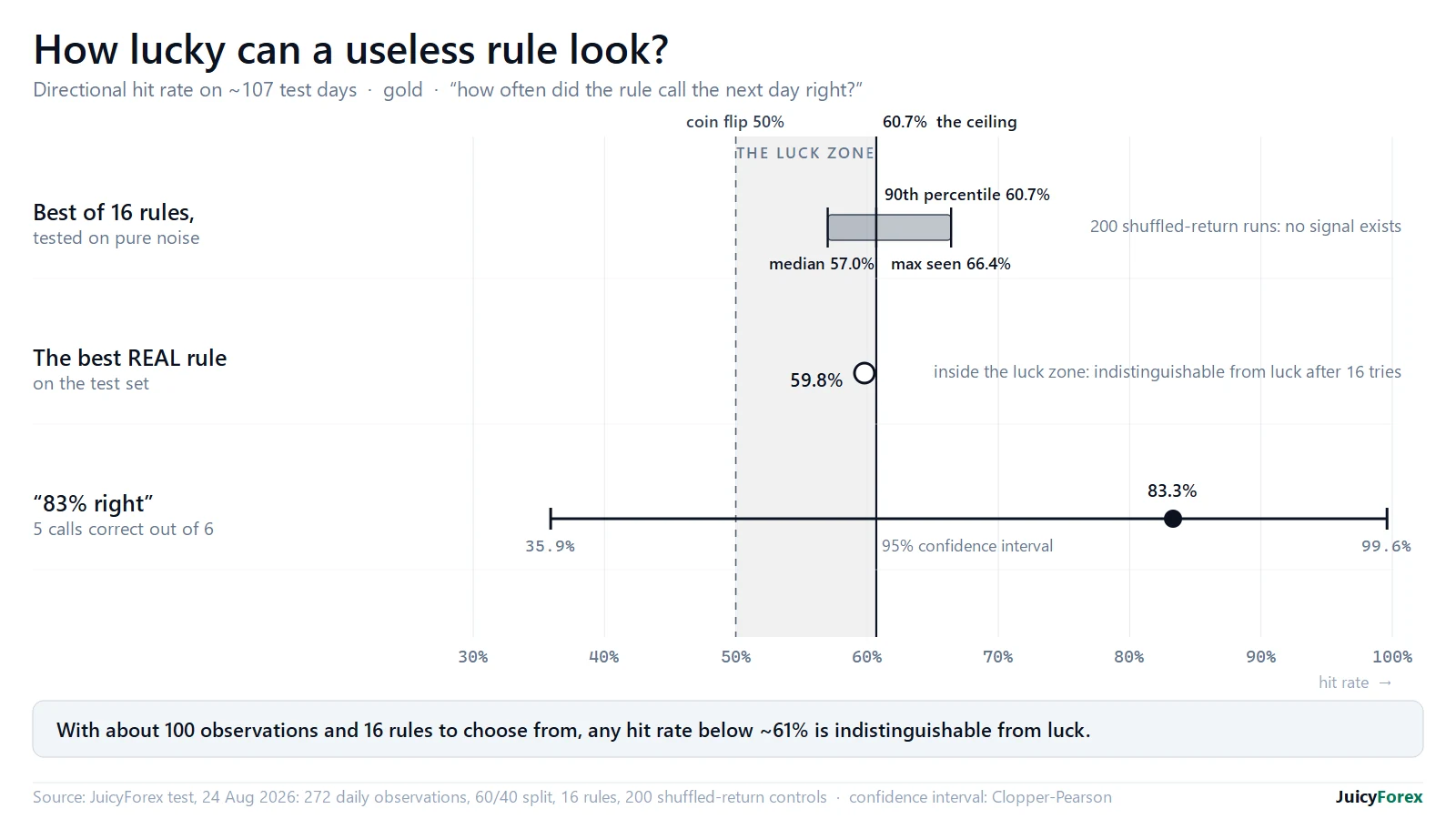
A run of luck can hide the absence of an edge for a while. That is why so many traders blow up only after an early winning streak.
Reasons 3 and 4: costs and psychology
- Costs. They quietly erode returns. Every trade pays the spread and any commission, and over-trading multiplies that drag.
- Psychology. It is the silent killer. Fear and greed lead traders to cut winners early, let losers run, revenge-trade after a loss, and abandon the plan at the worst moment.
The market does not beat most people. Most people beat themselves, one undisciplined decision at a time.
The honest response
Notice what is not on the list of reasons: a missing secret indicator. The fixes are unglamorous and entirely within your control.
- Cap the risk on every trade.
- Prove you have an edge over a large sample.
- Respect costs.
- Manage your own psychology.
That is why we lead with risk, not reward, and refuse to sell shortcuts. Being in the minority that survives is about discipline, not secrets. This is education, not advice.
Questions
What percentage of retail traders lose money?
Regulated brokers routinely disclose that around 70-80% of retail accounts lose money. The exact figure varies by broker, but the majority losing is consistent and printed on brokers' own materials.
Does leverage cause traders to lose?
Over-leverage is the biggest account-killer. Leverage magnifies losses as much as gains, so an oversized position means a normal losing streak can wipe out an account.
Is it possible to be profitable in forex?
Yes, but it is hard and a minority achieve it. It takes a genuine positive-expectancy edge, strict risk control, low costs and disciplined psychology, not a secret system.
What is the main fix for losing money trading?
Risk control above all. Cap the risk on every trade so no losing streak can ruin you. Then prove you have an edge, respect costs and manage your psychology.
70–80% of retail investor accounts lose money trading CFDs. This page is education, not advice. All trade examples are constructed composites.