

Execution is how your order actually gets filled, and the price you see is not always the price you get. Slippage is the difference between your expected price and your actual fill. It is common in fast markets and around news. A market order fills at the best available price, which can move against you. A limit order fills only at your price or better, but might not fill at all.
What execution is
Execution is the process of your broker filling your order after you click buy or sell. It sounds instant and exact. In fast-moving markets, though, there can be a small gap between the price you saw and the price you get. Understanding how fills work, and where they can go wrong, is part of trading competently.
Market versus limit orders
Two order types show the trade-off.
- Market order: fill me now at the best available price. It executes almost certainly, but in a fast market that price can be worse than what you saw a moment ago.
- Limit order: fill me only at my price or better. It protects your price, but it might not fill at all if the market moves away.
This is the fundamental trade-off: certainty of fill (market) versus certainty of price (limit). See order types for the full range.
Slippage: the gap between seen and got
Slippage is the difference between the price you expected and the price you got on a market order. Prices move continuously, and in the instant between your click and the fill the market can shift. Slippage can be negative, a worse fill, or occasionally positive, a better one. Around fast events it is usually against you.
It is worst in thin, fast conditions: major news releases, session opens and low-liquidity hours. A stop-loss can also slip. In a violent move it can fill worse than its level, which is an important risk to understand.
Requotes
On some execution models you may get a requote. Instead of filling your order, the platform comes back with a new price because the market moved, and you accept or decline.
Frequent requotes are frustrating. They can be a sign of a poor broker or slow execution, so they are worth watching.
Managing execution risk
You cannot eliminate slippage, but you can manage it.
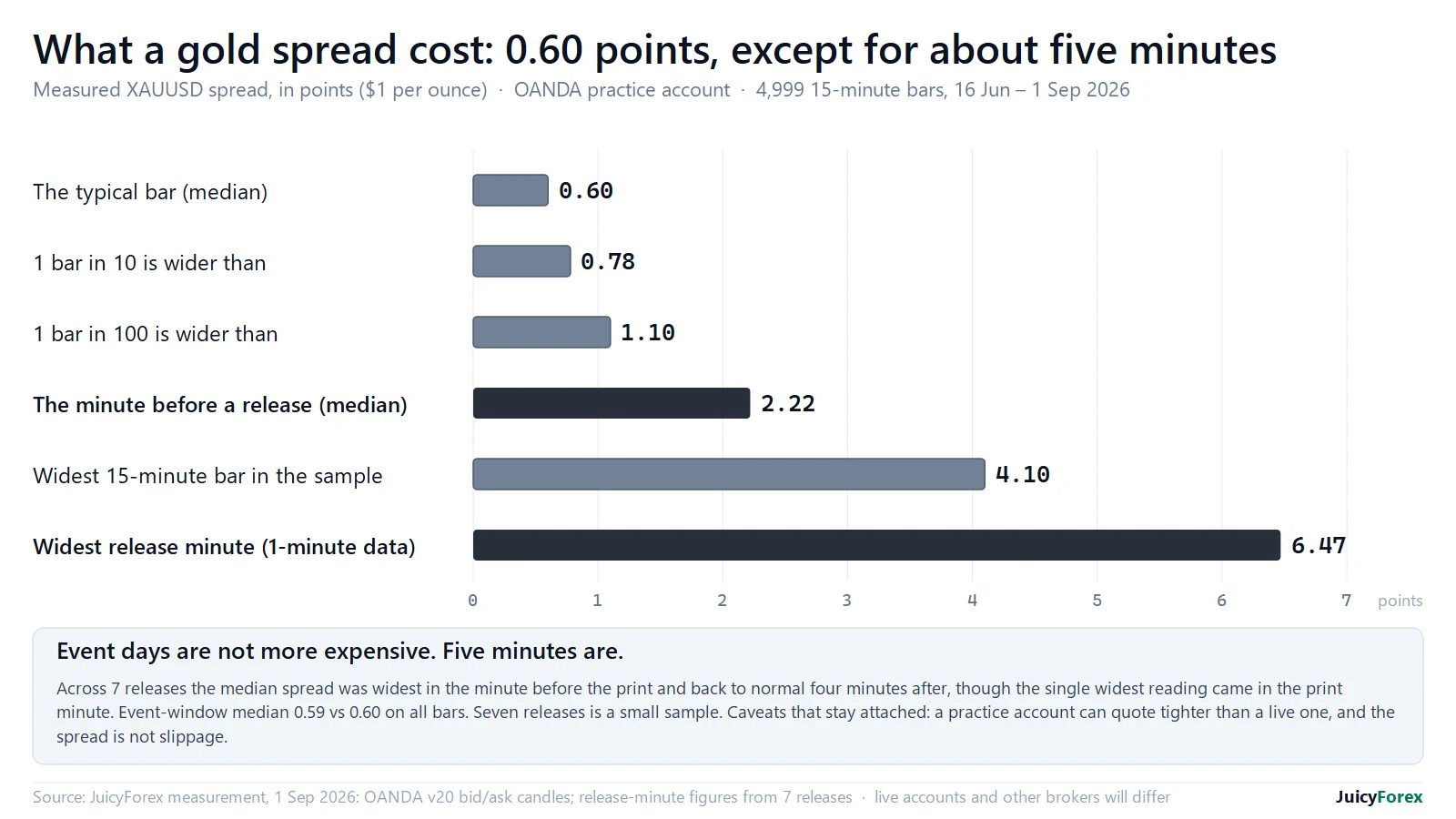
- Be cautious around news. Spreads widen and slippage spikes, so trading through a major release is high-risk.
- Use a broker with good execution and reasonable spreads.
- Size for the worst case. Assume a stop might slip in a fast move, and do not rely on it filling exactly.
- Test your platform. Check how your platform executes on a demo and at small live size.
Understanding execution turns a nasty surprise into an expected, managed cost. This is education, not advice.
Questions
What is slippage in trading?
The difference between the price you expected and the price you got when an order fills. It is usually against you around fast events.
Can a stop-loss slip?
Yes. In a fast, violent move a stop-loss can fill worse than its level, because it becomes a market order once triggered and fills at the next available price. Size for that worst case.
What is a requote?
The platform offers a new price instead of filling your order, because the market moved. Frequent requotes can indicate a poor broker or slow execution.
70–80% of retail investor accounts lose money trading CFDs. This page is education, not advice. All trade examples are constructed composites.